

Most people who type “best trek in Nepal” into Google end up staring at the same handful of names – Everest Base Camp, Annapurna Circuit, maybe Manaslu if they’ve done some digging. But there’s a route out east, far quieter and a lot wilder, that experienced trekkers keep whispering about once they’ve ticked off the classics and want something that actually pushes back. That’s where the Makalu Base Camp Trek, Sherpani Col Pass Trek, Baruntse Peak Climbing, and the Ampu Lapcha Pass come in.
Strung together, these four pieces form one continuous, brutally scenic journey from the base of the world’s fifth-highest mountain, over a genuinely technical glacier pass, up a climbable 7,000-metre peak, and down into the Everest region through another icy crossing. It’s not a walk in the park – literally or otherwise – and it isn’t meant to be. This is for trekkers who’ve already done a few big treks, mountaineers looking for a manageable but real summit, and photographers chasing views almost nobody else has in their portfolio. If that sounds like you, keep reading, because this is one of Nepal’s great hidden expeditions.
Why Choose This Himalayan Expedition Instead of a Classic Trek?
Here’s the honest pitch: a standard trek gives you incredible mountains and crowded teahouses. This route gives you the mountains without the crowds, plus an actual mountaineering challenge thrown in.
You get days where you won’t pass another trekking group. You get glacier travel with ropes and crampons instead of just gravel trails. You get the sheer scale of eastern Nepal’s scenery, which honestly rivals anything near Everest but sees a fraction of the foot traffic. And you get a natural, logical transition—trek in from Makalu and cross into the Everest region via Baruntse and Ampu Lapcha – rather than flying in and out of the same overused airstrip. It’s trekking, technical mountain travel, and peak climbing rolled into a single expedition, which is rare anywhere in the Himalaya.
Understanding the Route from Makalu to Everest
Makalu Base Camp Trek
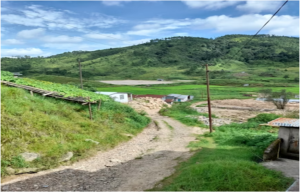
The journey typically kicks off from Tumlingtar, winding through mid-hill villages, terraced farmland, and dense forest before the trail properly climbs into alpine territory. You’ll follow river valleys carved by glacial meltwater, pass through rhododendron and pine forest that feels almost primeval in places, and gradually trade villages for high camps as Makalu itself starts dominating the skyline. By the time you reach Makalu Base Camp, the landscape has stripped down to rock, ice, and moraine – stark, silent, and enormous.
Sherpani Col Pass Trek
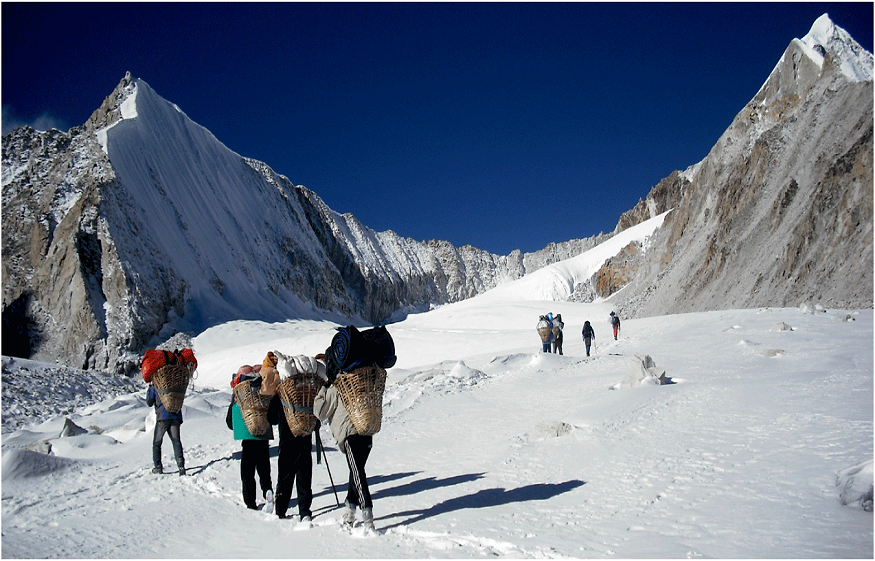
This is where things get serious. Sherpani Col has a reputation among Himalayan trekkers for good reason – it’s one of the most technical passes in Nepal, involving genuine glacier travel, sections of fixed rope, and exposed climbing that demands more than just fitness. You’re not simply walking over a hill here; you’re navigating crevassed ice at high altitude, often before dawn when the snow is firmer. It’s the kind of pass that separates casual trekking from proper mountain travel.
Read More: Beyond the Sea: Yacht Charter Logistics and Concierge Services in Ibiza
Baruntse Peak Climbing
Once you’re through Sherpani Col, Baruntse comes into play. Sitting at 7,129 metres, it’s considered one of the more approachable 7,000-metre peaks in Nepal, but “approachable” is relative – you’ll still need prior climbing experience, comfort on fixed lines, and the stamina for summit day at extreme altitude. The reward, though, is hard to overstate: a 360-degree panorama that includes Everest, Lhotse, Makalu, and Ama Dablam all at once. Most climbers attempt this during the spring or autumn windows, when weather stability gives a realistic summit shot.
Crossing Ampu Lapcha Pass
After Baruntse, the route drops you toward Ampu Lapcha, another glaciated crossing marked by ice walls and shifting terrain that connects the Hunku Valley into the Everest region proper. It’s technical, occasionally requiring fixed ropes depending on conditions, and absolutely not a pass to attempt without experienced guides who know the current state of the ice. This crossing is really the bridge between two of Nepal’s most iconic mountain regions, which is part of what makes the whole expedition feel so special.
What Makes the Makalu Region So Special?
Before it becomes a mountaineering challenge, the Makalu region is first and foremost a wilderness. Much of the trekking here passes through Makalu-Barun National Park, one of the most biodiverse protected areas in Nepal, home to red pandas, snow leopards, and hundreds of bird species that most trekkers never get to see elsewhere. The valleys feel genuinely untouched – there’s none of the lodge-every-hundred-metres development you’ll find near Everest.
Add to that the Sherpa and Rai communities who still live fairly traditional lives along the lower trail, and the Makalu Base Camp Trek becomes as much a cultural experience as a scenic one. It’s a region that rewards patience and curiosity, not just a checklist mentality.
Major Highlights of the Expedition
There’s a lot to soak in on this route, and honestly, it’s hard to pick favorites. Makalu Base Camp itself, with the mountain’s dark pyramid face looming overhead, tends to leave people speechless. The Barun Valley below it is arguably one of the most underrated stretches of trail in the entire country. Sherpani Glacier and the col crossing give you that rare feeling of genuine mountaineering rather than tourism. Standing on Baruntse’s summit with Everest, Lhotse, and Makalu all visible in one sweep is something very few trekkers ever experience firsthand. Then Ampu Lapcha delivers one final adventure before you drop into the familiar Everest region trails, and the remote camping and sunrise views along the way tie the whole thing together into something that feels earned rather than handed to you.
Trek Difficulty and Physical Preparation
This is not a beginner’s itinerary, and it’s worth being upfront about that. You’re looking at several weeks of sustained walking, often at altitude, combined with actual glacier travel and rope work on both the Sherpani Col Pass Trek and Baruntse Peak climbing sections. Long days are common, and there’s little room for shortcuts when it comes to acclimatization.
Cardiovascular fitness matters, sure, but so does mental resilience – cold mornings, exposed terrain, and unpredictable weather test your patience as much as your legs. Prior experience with crampons, harnesses, and basic rope technique will make a real difference, and most reputable operators will ask about your climbing background before confirming a booking.
Who Is This Expedition Best For?
Realistically, this route suits experienced trekkers who’ve already handled multi-week high-altitude itineraries, along with mountaineers wanting a legitimate but not overly technical 7,000-meter summit. Adventure photographers chasing untouched Himalayan light will find no shortage of material here. It’s also a great fit for repeat Nepal visitors who’ve done Everest or Annapurna already and want something further off the radar, plus anyone who genuinely wants a remote expedition rather than a well-trodden trail with a view.
Best Time for the Makalu Base Camp Trek and Baruntse Expedition
Spring Season
Spring, roughly March through May, is prime climbing season. Weather tends to stabilize, rhododendron forests along the lower trail burst into color, and glacier conditions on Sherpani Col and Baruntse are generally more predictable for climbing attempts.
Autumn Season
Autumn, September through November, is the other reliable window. Skies clear up nicely, trails dry out after the monsoon, and climbing weather on Baruntse tends to hold steady, making it one of the busiest (relatively speaking) periods for this expedition.
Read More: The Luxury of a Skipper: Why Hire a Captain in Ibiza
Winter brings brutal cold and heavy snow at the passes, while monsoon season turns trails to mud and buries visibility in cloud – neither is a sensible window for this kind of technical route.
Accommodation and Food Throughout the Journey
Lower down, in villages before Makalu Base Camp, you’ll still find basic teahouses offering dal bhat, noodles, and simple comfort food. Once you push higher toward the passes and Baruntse, it shifts to full camping – tents, expedition kitchens, and a crew hauling supplies. Meals at altitude focus on calorie-dense, easy-to-digest food, and staying properly hydrated becomes non-negotiable, since dehydration compounds altitude problems fast. Good camp cooks on this route genuinely make or break morale during the harder stretches.
Altitude Sickness and Staying Safe
Acclimatization isn’t optional here – it’s built into the itinerary through rest days and gradual altitude gain, and skipping that structure is how people get into trouble. Drink more water than feels necessary, ascend slowly, and listen to your guides when they say to wait a day. Oxygen levels drop noticeably above 5,000 metres, and having experienced guides who can recognise early symptoms of altitude sickness is genuinely life-saving. Emergency evacuation plans, including helicopter rescue insurance, should be sorted before you even leave home. Good expeditions build in flexibility precisely because rushing the mountain rarely ends well.
Trekking Permits and Climbing Requirements
You’ll need a Makalu-Barun National Park permit, and depending on current regulations, certain sections may require restricted area permits as well. Baruntse Peak Climbing requires a separate peak climbing permit issued through the appropriate mountaineering authority, and licensed climbing guides are effectively mandatory for the technical sections. TIMS requirements can shift, so it’s worth confirming current rules with your operator before departure rather than relying on outdated information. Getting the paperwork right well in advance saves a lot of stress later.
Essential Equipment for High-Altitude Trekking and Peak Climbing
Clothing
Layering is everything – a solid base layer, insulated mid layer, and a proper windproof, waterproof outer shell will cover most conditions you’ll face.
Climbing Equipment
Crampons, an ice axe, a climbing harness, and a helmet are essential for both Sherpani Col and Baruntse, along with appropriate ropes handled by your guiding team.
Camping Gear
A four-season sleeping bag rated well below freezing, a sturdy sleeping mat, and reliable headlamps for early summit pushes are worth investing in rather than skimping on.
Personal Essentials
Sunglasses rated for glacier glare, a basic first-aid kit, sunscreen, and enough snacks to keep energy up between meals round out the list.
Why Travel with an Experienced Local Expedition Company?
This isn’t a route to figure out on the fly. Certified climbing guides who know the current condition of Sherpani Col and Ampu Lapcha make a genuine difference in safety, not just convenience. Local operators bring weather monitoring, established logistics for porters and camps, and emergency response plans that actually work in remote terrain where a helicopter might be hours away. Beyond safety, working with guides embedded in the region usually means better relationships with local communities, more ethical practices, and a lighter environmental footprint – all things worth caring about when you’re passing through such a fragile wilderness.
Sample Expedition Itinerary Overview
Broadly, the journey runs from arrival and a flight into the Makalu region, through the Barun Valley to Makalu Base Camp, over Sherpani Col, up and down Baruntse, across Ampu Lapcha into the Everest region, and finally out through familiar Khumbu trails back to Kathmandu. Exact day counts vary by operator and weather, which is part of why flexibility matters so much on a route like this.
Responsible Trekking in the Makalu Region
Leave No Trace principles matter more than ever in a region this untouched – pack out what you bring in, and be mindful around fragile alpine ecosystems. Respect local customs in Sherpa and Rai villages, support local lodges and porters fairly, and keep wildlife encounters respectful and distant. Sustainable trekking here isn’t a buzzword; it’s what keeps this wilderness worth visiting for the next generation of trekkers too.
Final Thoughts
Combining the Makalu Base Camp Trek, Sherpani Col Pass Trek, Baruntse Peak Climbing, and Ampu Lapcha Pass into one expedition isn’t for everyone – and that’s exactly the point. It’s remote, technical, and physically demanding in ways that most Nepal treks simply aren’t. But for those willing to prepare properly, hire experienced guides, and respect the mountain’s pace, it delivers one of the most rewarding high-altitude journeys anywhere in the Himalaya. If you’ve got the experience and the itch for something beyond the usual trails, this route is waiting.
Frequently Asked Questions (People Also Ask)
Is the Makalu Base Camp Trek suitable for beginners?
Not really. While the trek itself doesn’t require technical climbing skills, it involves long days, remote terrain, and limited support infrastructure compared to more popular routes. Prior high-altitude trekking experience and solid fitness are strongly recommended.
How difficult is the Sherpani Col Pass Trek?
It’s genuinely technical – expect glacier travel, fixed ropes, and exposed sections at high altitude. This isn’t a standard trekking pass, and it should only be attempted with experienced guides familiar with current ice conditions.
Do I need previous climbing experience for Baruntse Peak Climbing?
Yes, ideally. Comfort with crampons, harnesses, and fixed-rope climbing makes a big difference. Many climbers build up to Baruntse after smaller peaks, and most expeditions provide additional training before summit day regardless.
When is the best time to cross Ampu Lapcha Pass?
Spring and autumn offer the most stable weather and predictable glacier conditions. Attempting the crossing outside these windows significantly increases risk due to snow instability and poor visibility.
How long does the complete Makalu Base Camp, Sherpani Col, Baruntse, and Ampu Lapcha expedition take?
Most itineraries run somewhere between 30 and 40 days, though exact timing depends heavily on weather, acclimatization needs, and climbing conditions on Baruntse. Building in buffer days is essential rather than optional on a route this remote.